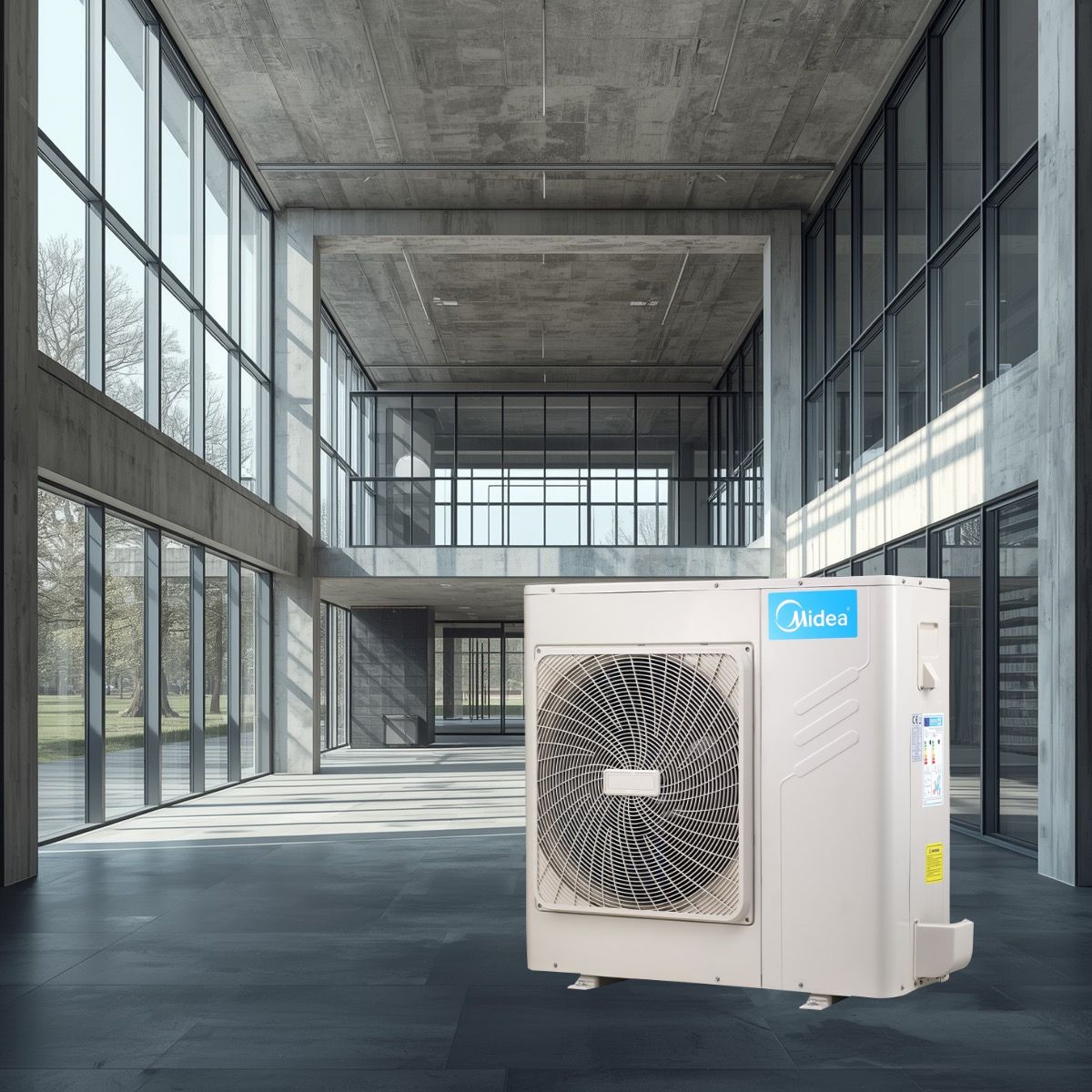
Fundamentals of Thermal and Cooling Load Calculation
To begin designing any professional HVAC system, the first step is to determine the building’s heating (thermal) and cooling load. The heating load is when the building absorbs or loses heat from the outside environment — through windows, walls, or air infiltration. The cooling load means the amount of heat that must be removed from the space to maintain a desirable temperature. To calculate these loads, key factors like the climate zone, building materials, insulation, windows, number of occupants, and internal equipment must be carefully assessed. Accurate load calculation enables a VRF system to be designed with high performance and energy efficiency.
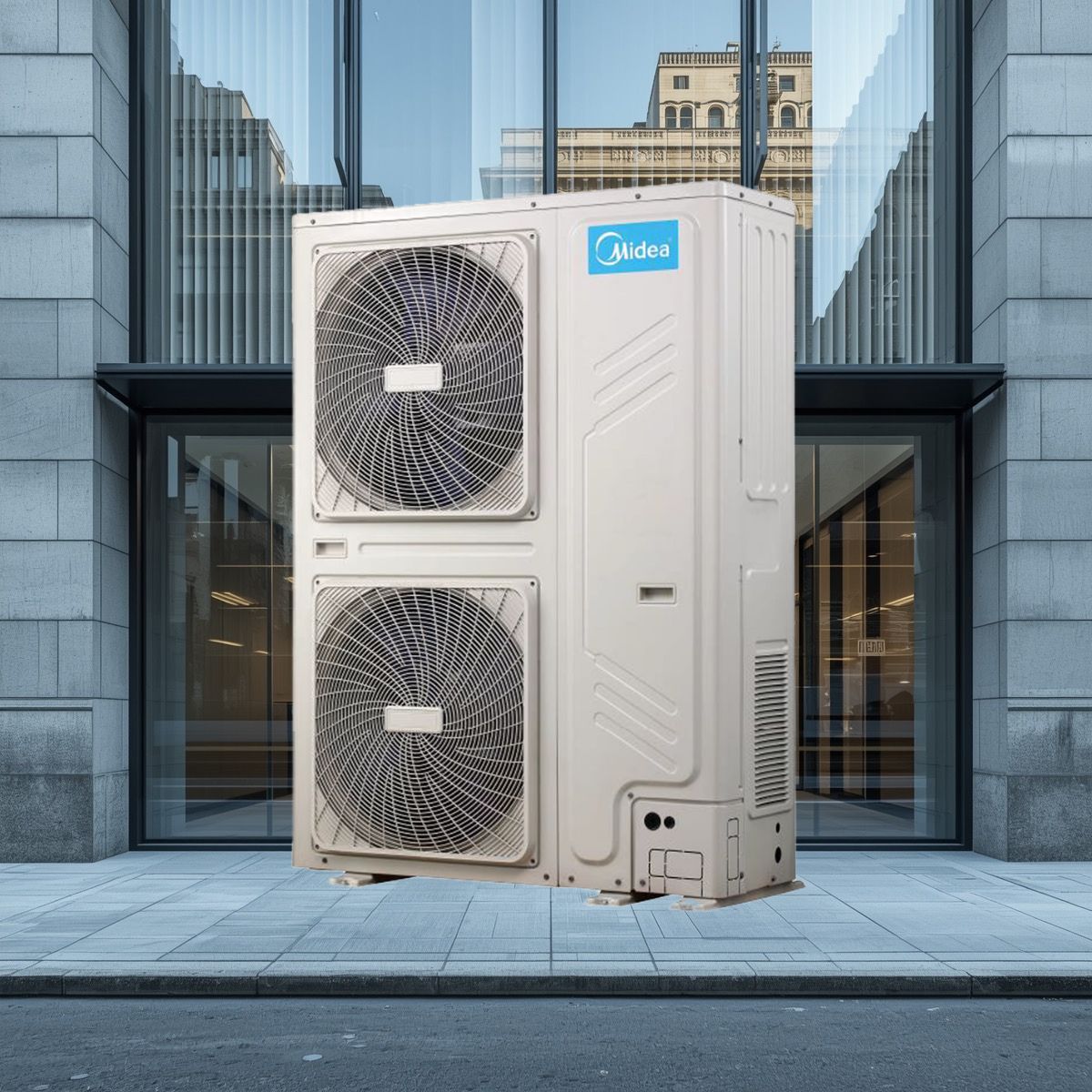
The Importance of Accuracy in Midea VRF Performance
In Midea VRF systems, accuracy in calculating thermal and cooling loads is especially important because these systems are designed around precise temperature control and refrigerant flow. If the calculated load is underestimated, the system may not meet cooling demand during peak times — resulting in occupant discomfort and strain on the equipment. On the other hand, if the load is overestimated, an oversized unit may be selected, leading to higher initial cost and increased energy consumption. Therefore, proper load calculation enhances system longevity, reduces ngevity, reduces operational costs, and delivers optimal comfort in the building.
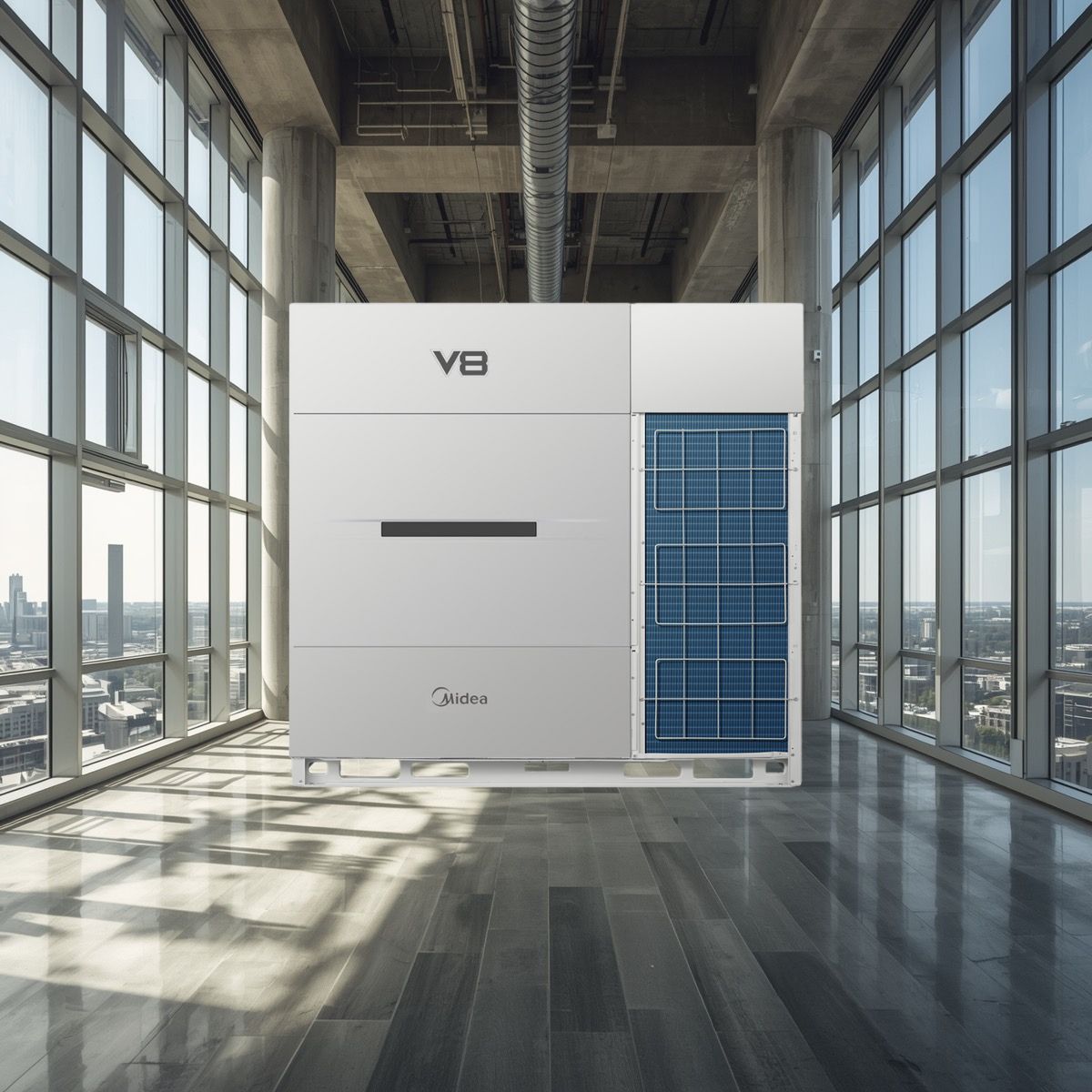
Design Process and Load Calculation for Midea VRF Systems
In designing a Midea VRF system, the HVAC engineer first gathers building data — dimensions of spaces, materials, windows, occupant count, and equipment. Then, they use advanced thermal simulation software to calculate the heating and cooling loads under different conditions. Based on Midea VRF performance and efficiency curves, appropriate capacities for the indoor and outdoor units are selected. Additionally, the refrigerant piping layout, pressure drop, and optimal insulation requirements are evaluated. Finally, by properly designing ducts or channels (if used), uniform temperature distribution and desired air quality across all zones are ensured.

Economic and Living Benefits of Proper Load Calculation
Accurate calculation of thermal and cooling loads not only ensures the optimal performance of Midea VRF systems but also provides significant economic and ecological benefits. Economically, selecting the right capacity reduces the initial investment cost and long-term energy consumption. Ecologically, an optimized system lowers electricity usage and reduces the building’s carbon footprint. Moreover, high thermal comfort enhances occupant satisfaction and increases property value. Consequently, clients not only save on costs but also contribute to a sustainable and luxurious lifestyle.



Comments ( 0)