
The Role Of Refrigerant Flow In Midea VRF Operation
In Midea VRF Systems, Refrigerant Flow Is The Heartbeat Of System Performance; As The Building’s Thermal Load Varies, The Refrigerant Must Be Finely Tuned To Deliver Uniform And Optimal Cooling Or Heating. Mismanagement Of This Flow Can Lead To Overpressure In Piping, Reduced Efficiency, Or Even Compressor Damage. Precise Refrigerant Control Is Essential For System Safety, Stability, And Longevity.

Challenges Of Controlling Refrigerant Flow In VRF Systems
Controlling Refrigerant Flow In VRF Systems Involves Multiple Technical Challenges: Sudden Thermal Load Changes, Temperature Differences Across Building Zones, And The Need For Quick Response To Occupants’ Cooling Or Heating Demands. Furthermore, Long And Complex Piping With Curves Can Cause Pressure Drops And Flow Fluctuations. All These Factors Call For An Intelligent Control System That Optimizes Flow And Prevents Energy Waste.
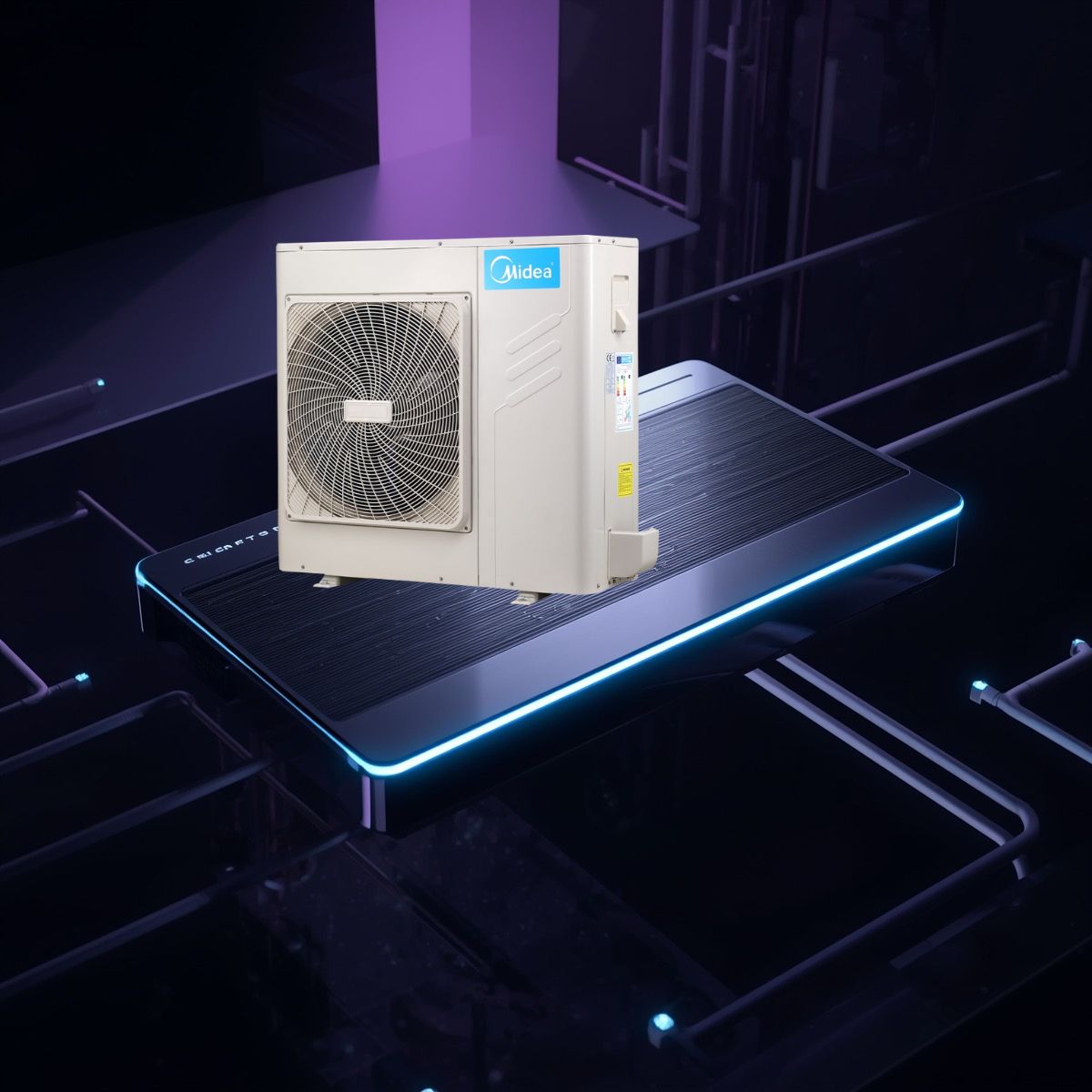
Midea’s Advanced Solutions For Managing Refrigerant Flow
Midea Leverages Advanced Technology In Its VRF Systems To Achieve Highly Accurate Refrigerant Flow Control. The Company Uses Electronic Expansion Valves, Pressure And Temperature Sensors Along The Piping Network, And Sophisticated Control Algorithms To Adjust Flow In Real Time. Based On Live Data, The Control System Optimizes Refrigerant Flow And Rapidly Responds To Thermal Load Changes, Maintaining Performance Without Excessive Energy Consumption.

Benefits And Economic Impact Of Precise Flow Control
Precise Refrigerant Flow Control In Midea VRF Not Only Optimizes Energy Consumption But Also Reduces System Operating Costs. With Optimal Flow, Working Pressure Is Lower And Fluctuations Are Minimized, Extending Component Lifespan And Reducing Maintenance Expenses. Moreover, Quicker Response To Thermal Needs Enhances Occupant Comfort And Reduces Peak Energy Usage. Consequently, Investing In Midea’s Advanced Control Technology Guarantees Long-Term Financial Return And Building Sustainability.


Comments ( 0)