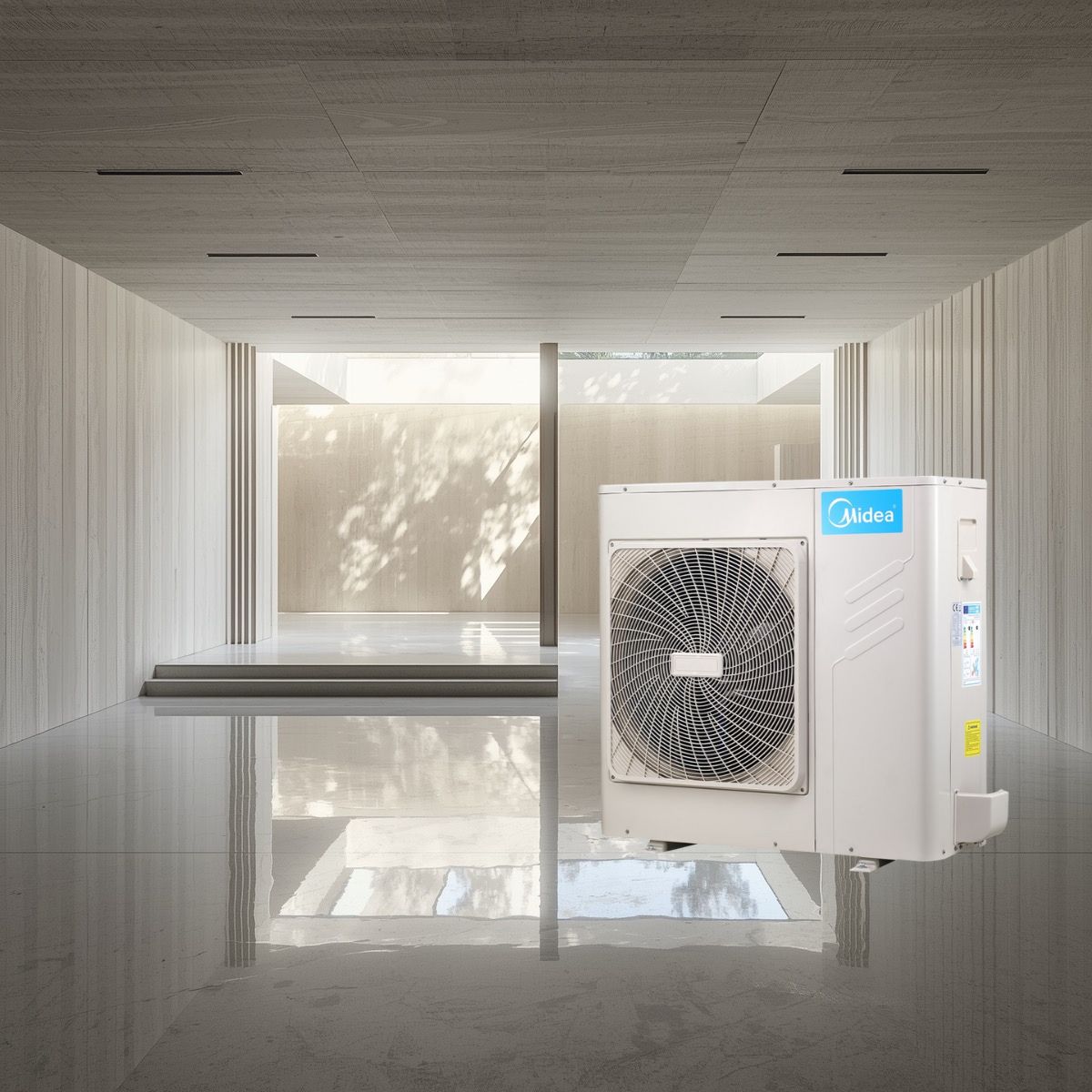
Fundamental Differences Between VRF Heat Pump And Heat Recovery
The Midea VRF Heat Pump System Represents Simplicity In HVAC: All Indoor Units Either Absorb Heat Or Release Heat, But Cannot Simultaneously Cool And Heat Different Zones. In Contrast, The Heat Recovery Version Allows Simultaneous Cooling And Heating In Different Zones — Recovering Energy From One Area To Heat Another, Optimizing Overall Efficiency.
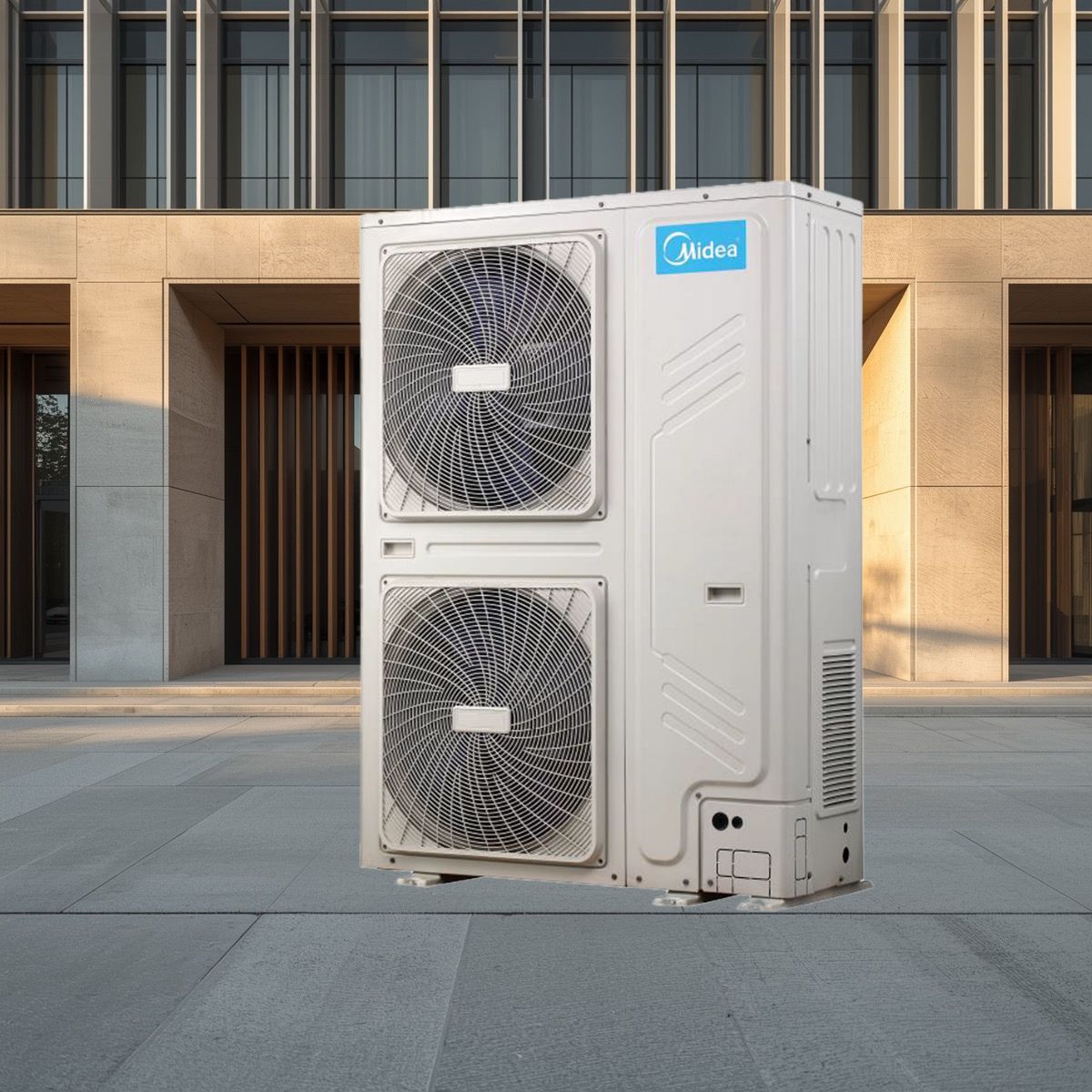
Energy Efficiency Advantages In Midea VRF
In Midea VRF Systems, The Heat Recovery Version Offers Remarkable Energy-Saving Benefits By Harvesting Heat From One Zone And Using It In Another. This Intelligent Mechanism Reduces Electricity Costs And Minimizes The Building’s Carbon Footprint. The Heat Pump Variant Also Has Low Energy Consumption — Especially In Projects With Uniform Heating Or Cooling Demands — But Lacks The Heat-Recovery Advantage Of The Recovery Version.
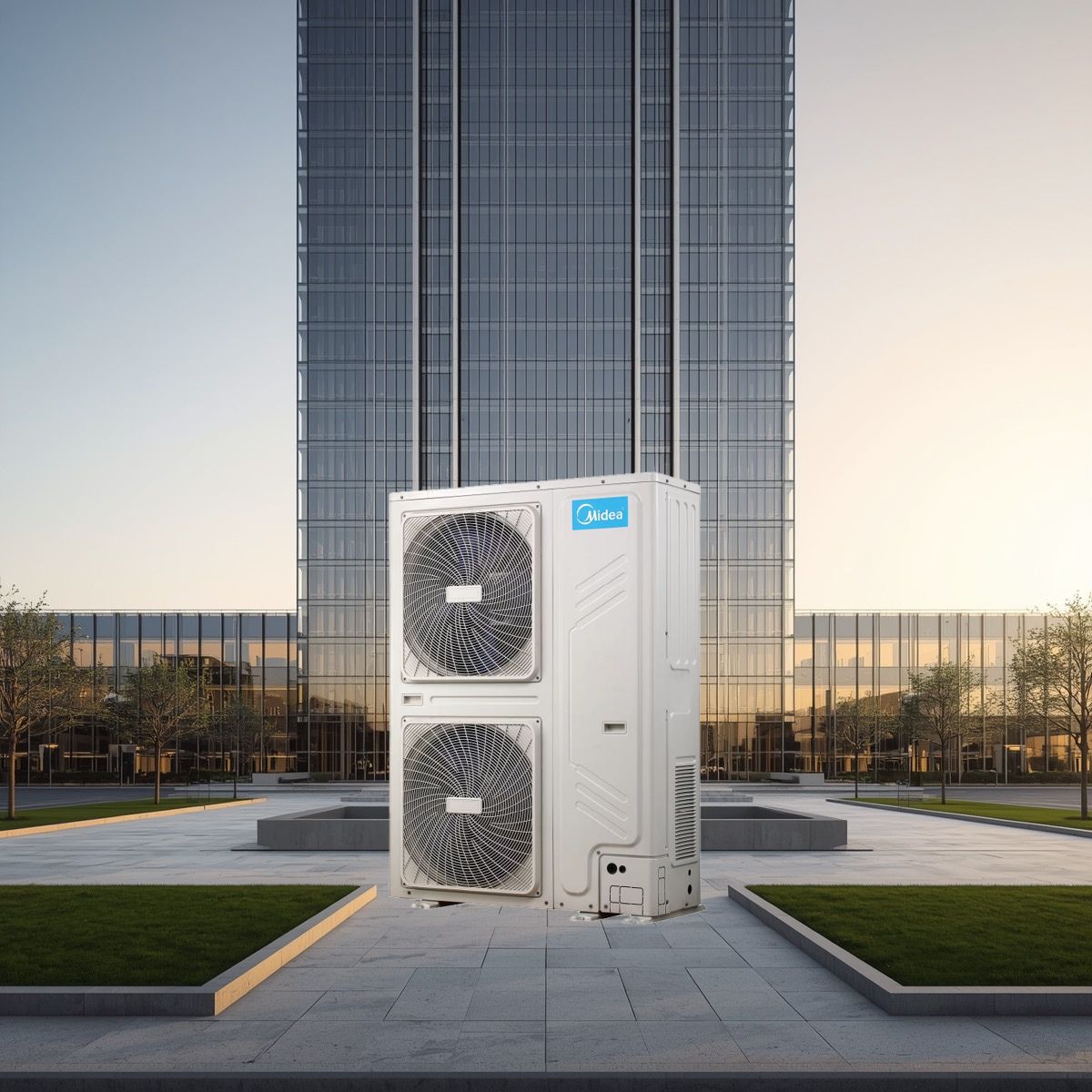
Common Applications In The Building Industry
The Heat Pump Variant Is Commonly Used In Buildings With Simple Heating/Cooling Zoning — Like Residential Apartments Or Small Offices. In Contrast, The Heat Recovery Version Is Ideal For More Complex Designs And Varied Demands Across Zones, Such As Luxury Hotels, Mixed-Use Complexes Or High-Rise Towers. It Allows Precise Temperature Control In Each Area And Reduces Operational Costs.
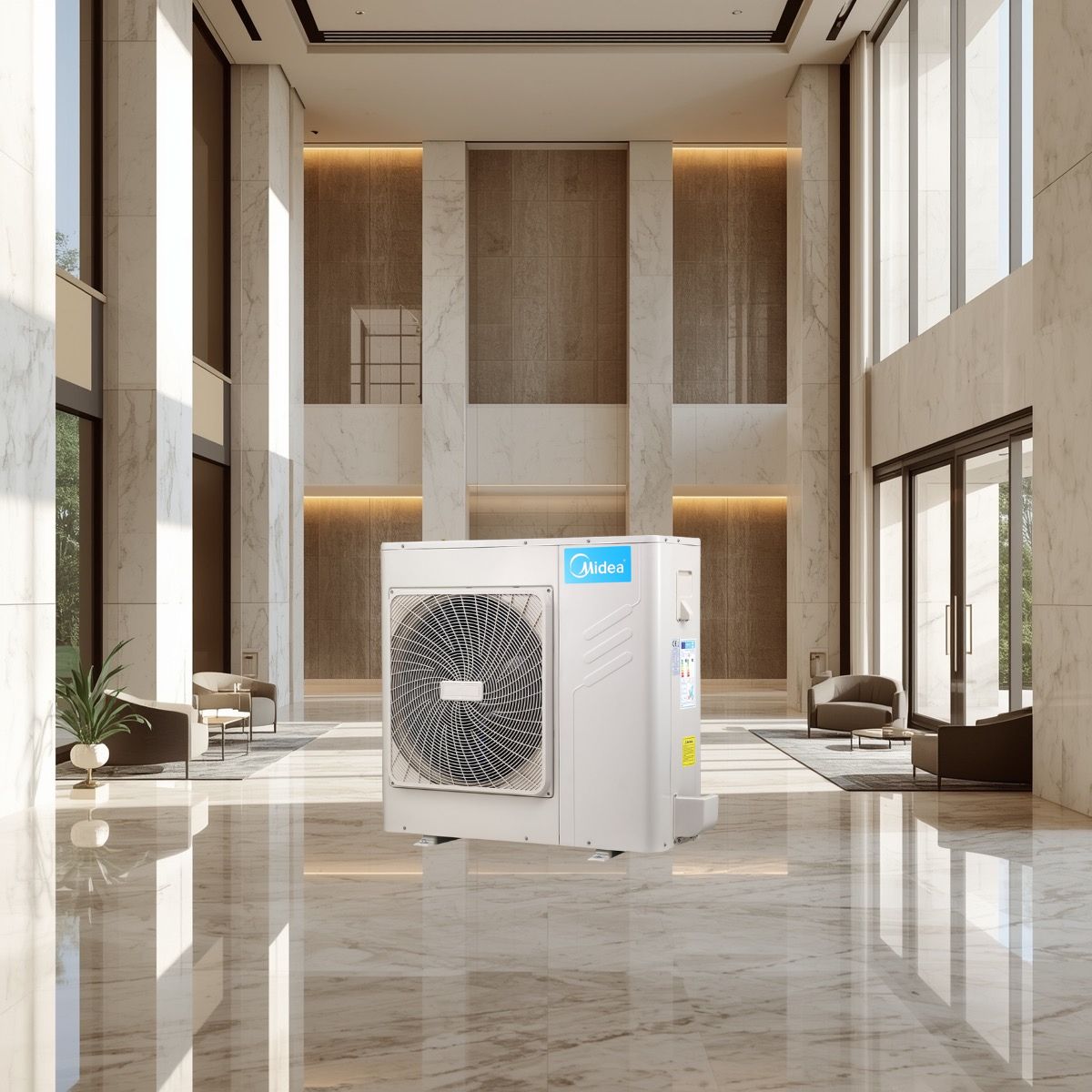
Choosing The Right System For Luxury, High-End Projects
When Investing In A High-End, Luxury Project, Choosing Between VRF Heat Pump And Heat Recovery Is Crucial. If Your Goal Is Energy Savings And Maintaining Comfort Across All Spaces, The Midea Heat Recovery Version Is A Premium, Modern, And Reliable Option. However, If Your Project Is Simpler Or Budget Is More Constrained, The Heat Pump Variant Offers A Lower Upfront Cost While Still Delivering A Luxurious And Dependable Solution.

Comments ( 0)