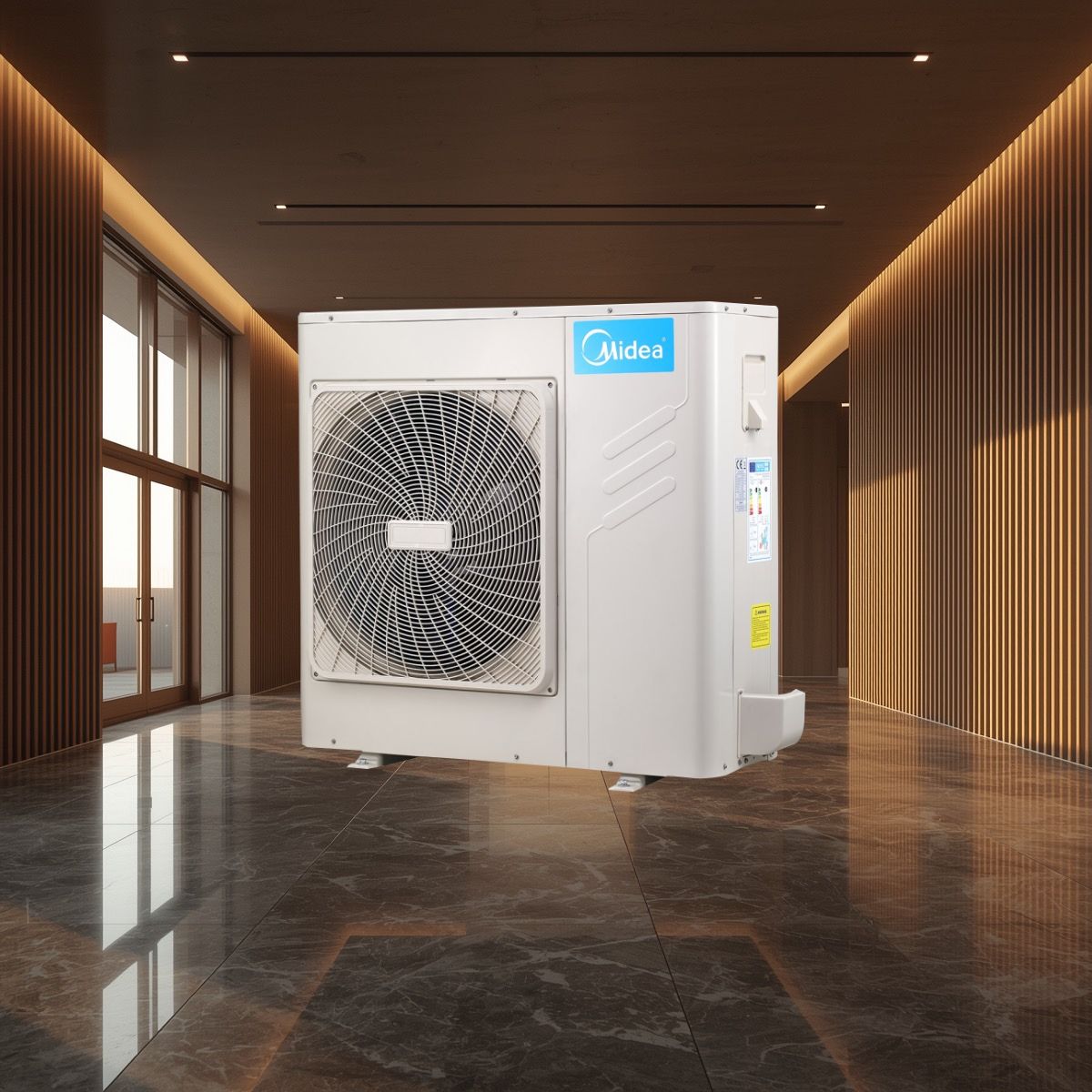
The Role Of Indoor Unit Design In Modern Architecture
The Design Of Midea VRF Indoor Units Holds A Key Position In Modern Architecture By Creating Harmony Between Aesthetics, Functionality, And Spatial Value. In Luxury Projects, Minimal Lines, Seamless Surfaces, And Premium Materials Establish The Visual Identity Of The Space. Selecting The Right Indoor Unit Placement Enhances Visual Integration And Contributes To A Calm, Professional Experience. Designers Treat The Indoor Unit As An Architectural Component, Choosing Optimal Positioning To Maximize A Project’s Overall Value.
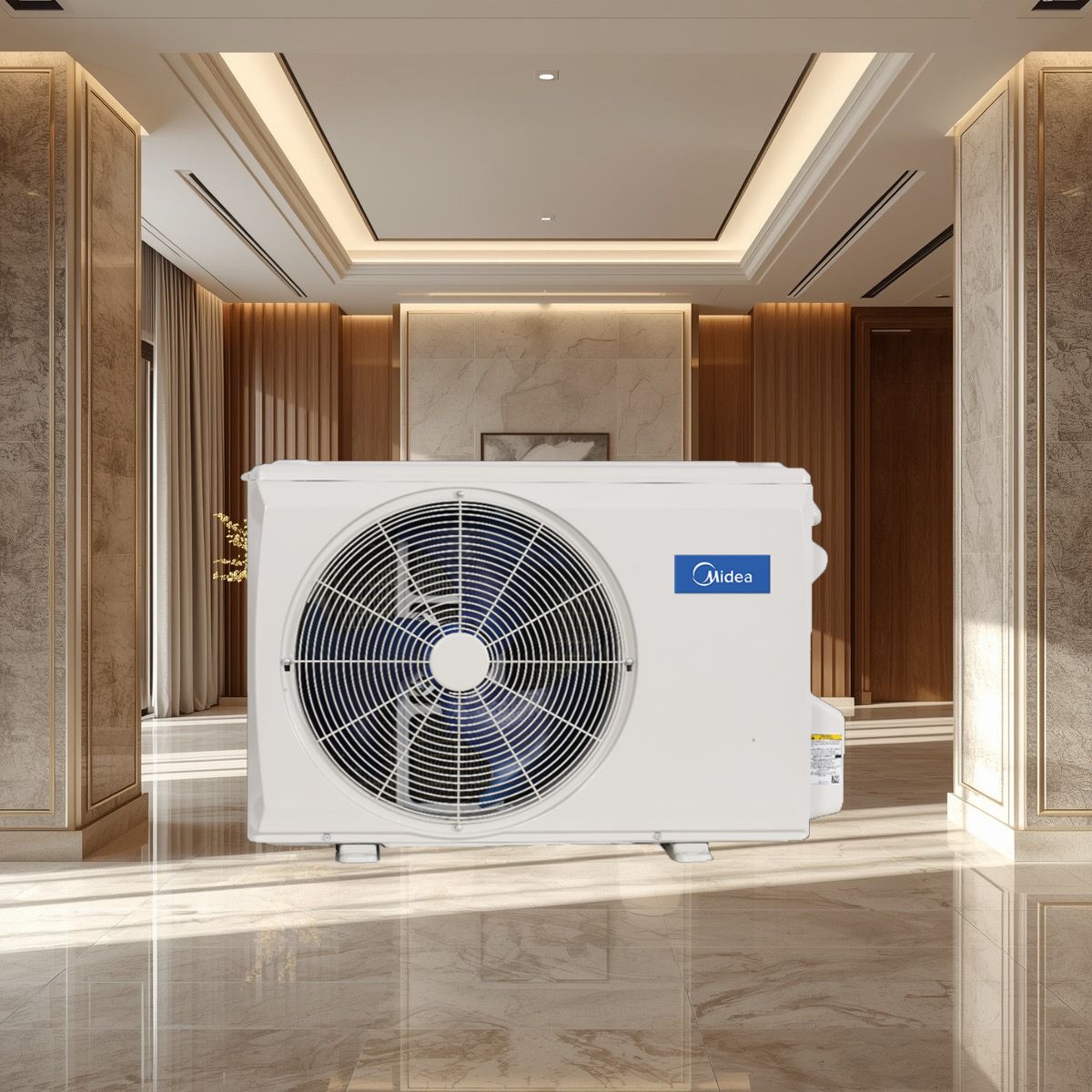
Luxury Standards In Interior Design Related To VRF Systems
In Luxury Interior Design, Using Premium Materials Alone Is Not Enough; There Must Be Full Harmony Between Color, Light, Volume, And Function. Midea VRF Systems Require Indoor Units That Align With The Design Rhythm, Lighting Scheme, And Aesthetic Identity Of The Space. Adhering To These Standards Elevates Visual Quality, Enhances Builder Credibility, And Delivers A Superior User Experience.
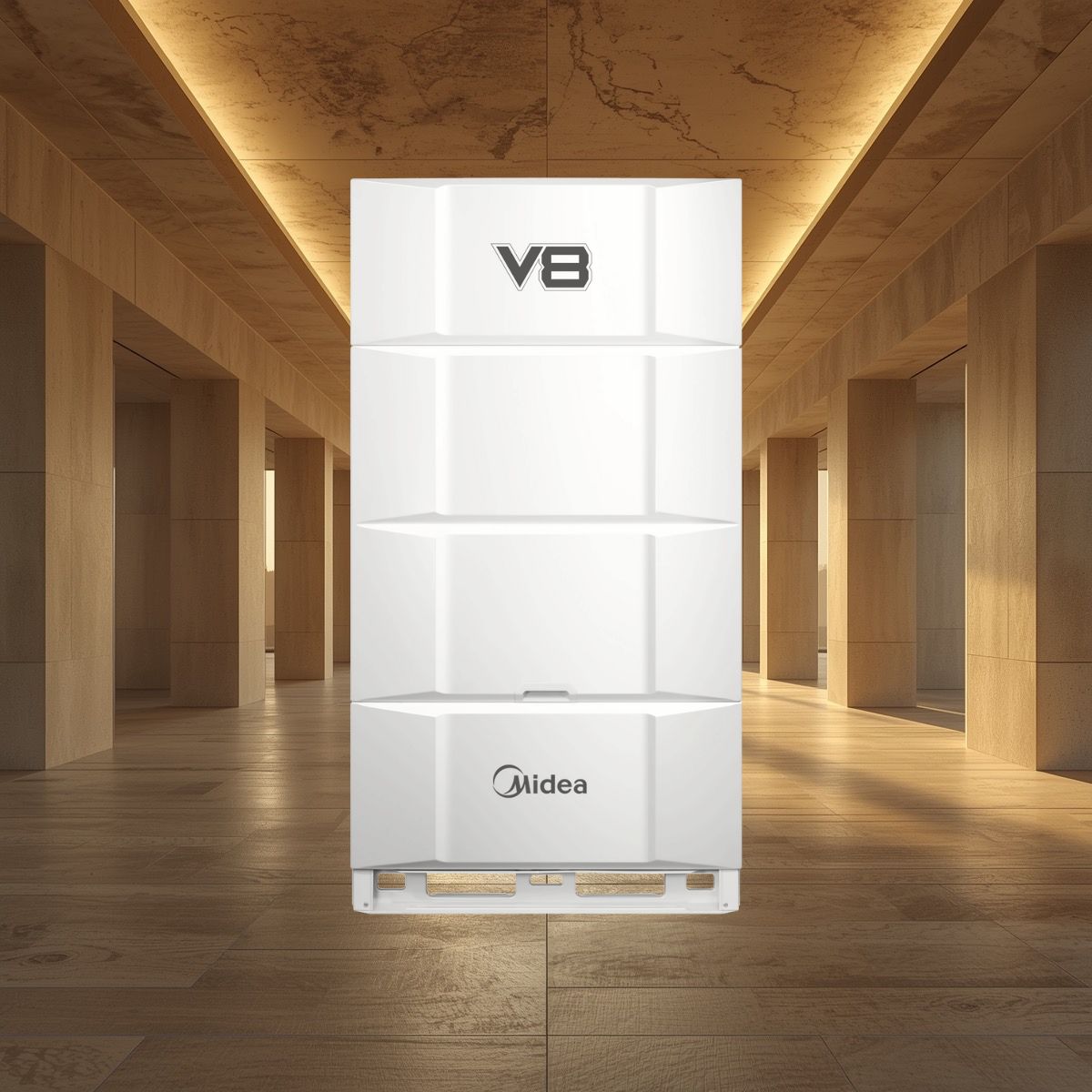
Energy Optimization Through Proper Indoor Unit Design
Proper Indoor Unit Design For VRF Systems Significantly Influences Energy Consumption. Choosing Correct Installation Height, Appropriate Spacing, And Proper Airflow Direction Ensures Better Circulation And System Efficiency. This Not Only Reduces Energy Usage But Also Extends Equipment Lifespan. In Luxury Projects, This Approach Is An Essential Part Of Building Energy Management Strategy.
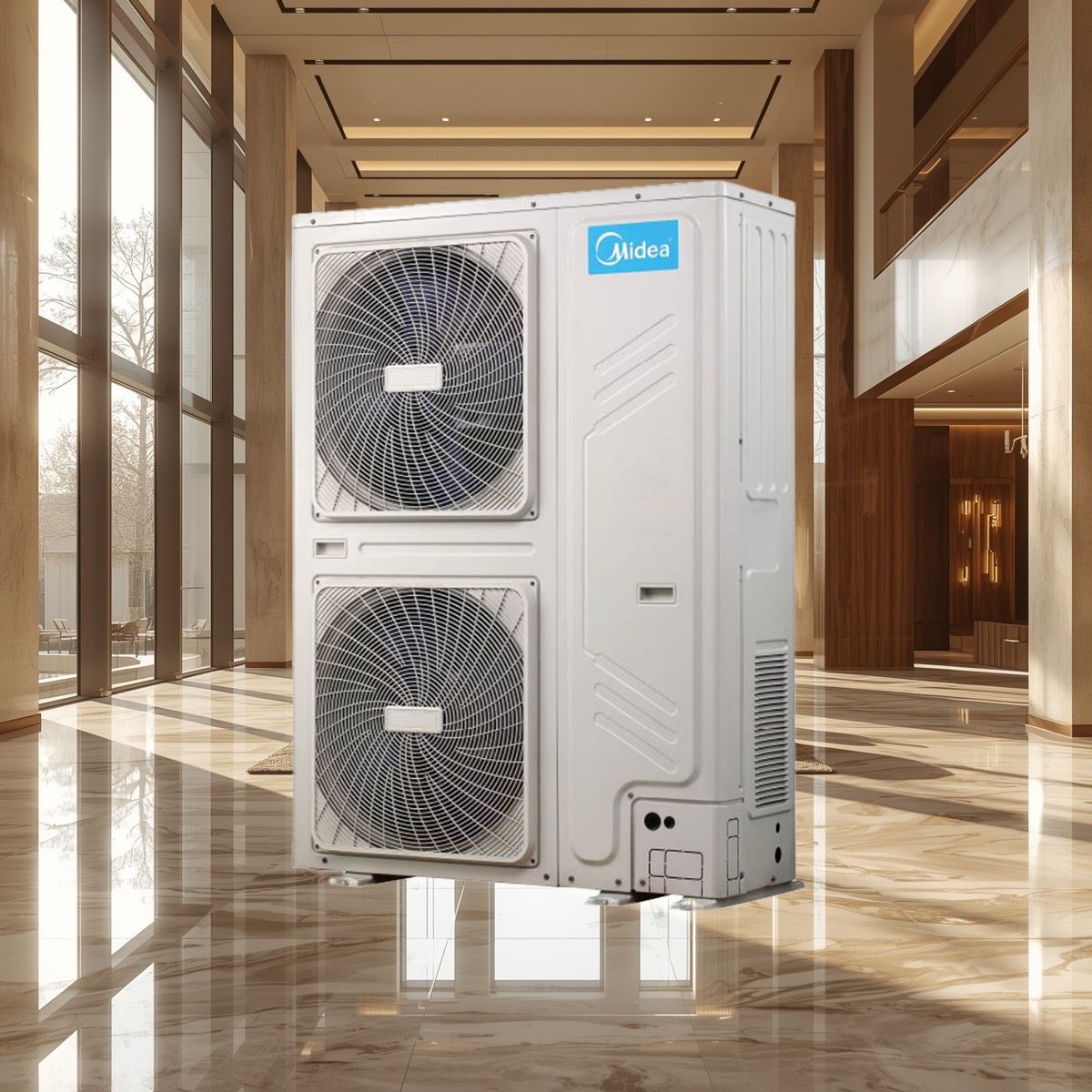
The Impact Of Indoor Unit Design On User Experience And Building Value
Indoor Unit Design Has A Direct Impact On User Experience. Luxury Spaces Demand Visual Calmness, Design Cohesion, And Silent, Seamless Operation. Integrating The Indoor Unit With Decorative And Architectural Elements Creates A Professional And Pleasant Atmosphere. Ultimately, This Increases The Economic Value Of The Building And Enhances Its Appeal To Clients.

Comments ( 0)