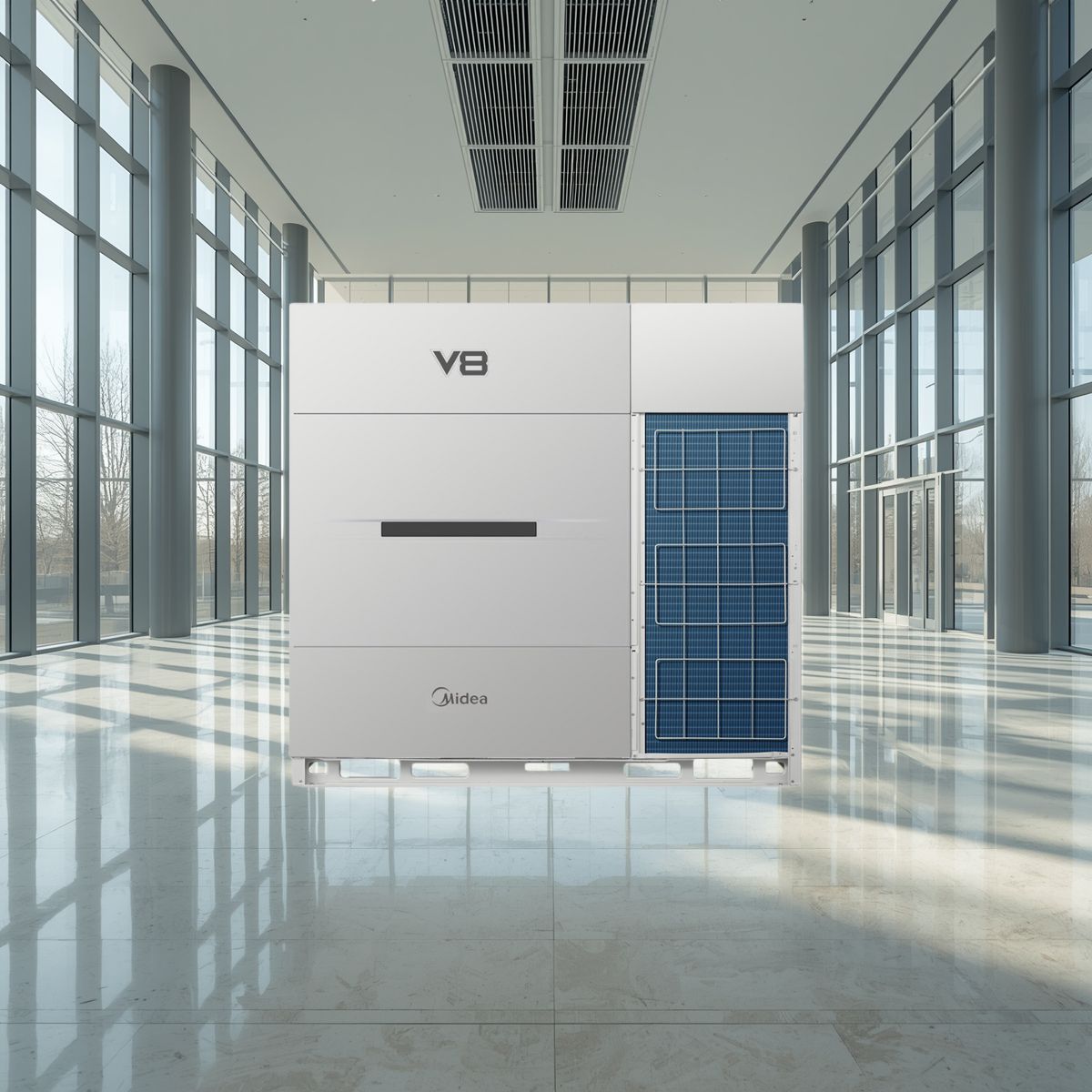
Energy Efficiency Of VRF Systems
VRF Systems, Utilizing Inverter Technology And Precise Refrigerant Flow Control, Allow Accurate Temperature Adjustment In Each Unit. This Feature Reduces Energy Consumption And Enhances HVAC Efficiency. In Modern Buildings, Where Energy Management Is Crucial, VRF Usage Can Reduce Energy Costs By Up To 30%.
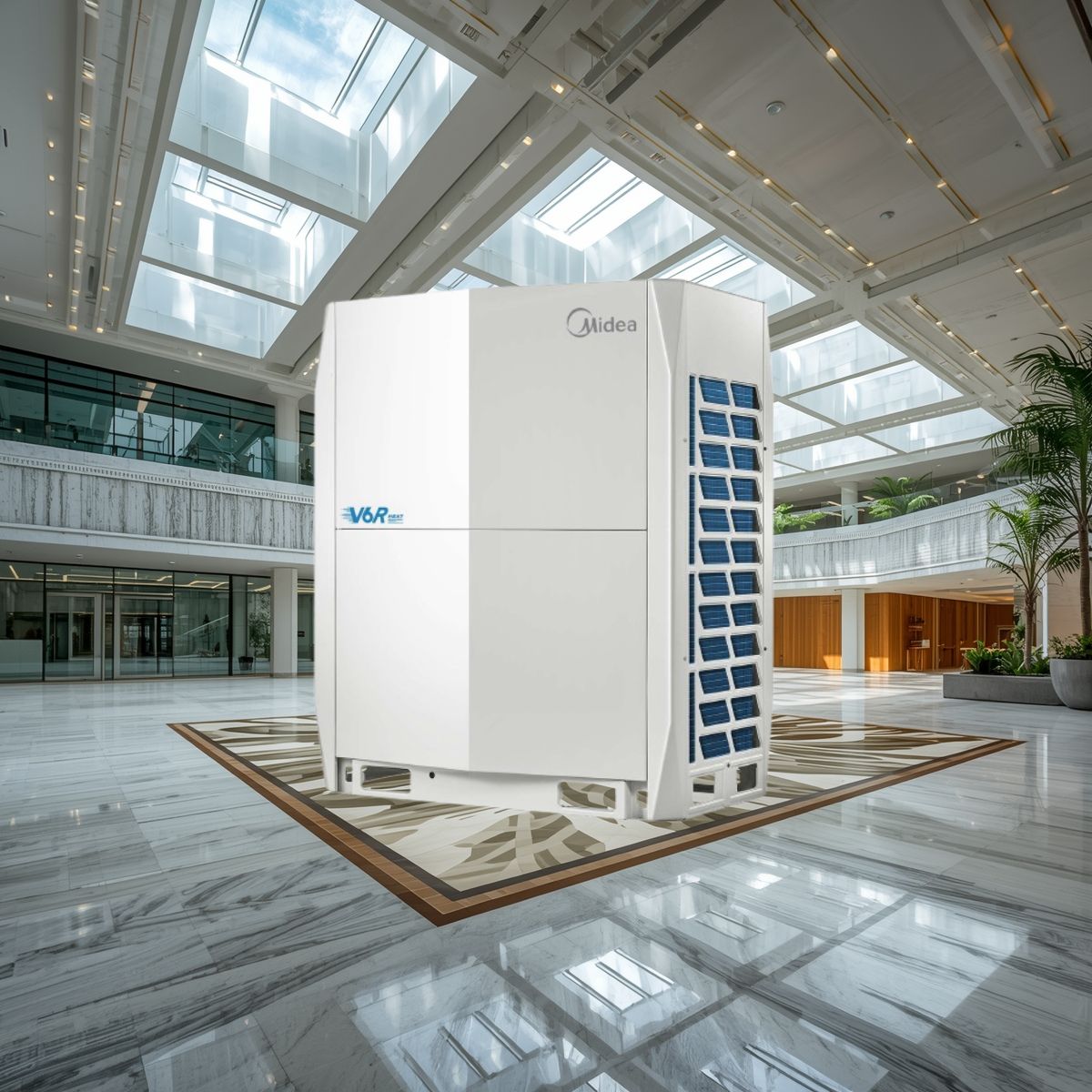
Design And Installation Flexibility
One Of The Main Advantages Of VRF Systems Is Their High Flexibility In Design And Installation. They Can Be Easily Placed In Limited Spaces, High-Rise Buildings, Or Complex Layouts. Independent Unit Control Also Allows Interior Design Without Being Restricted By Traditional Ductwork And Piping Paths.
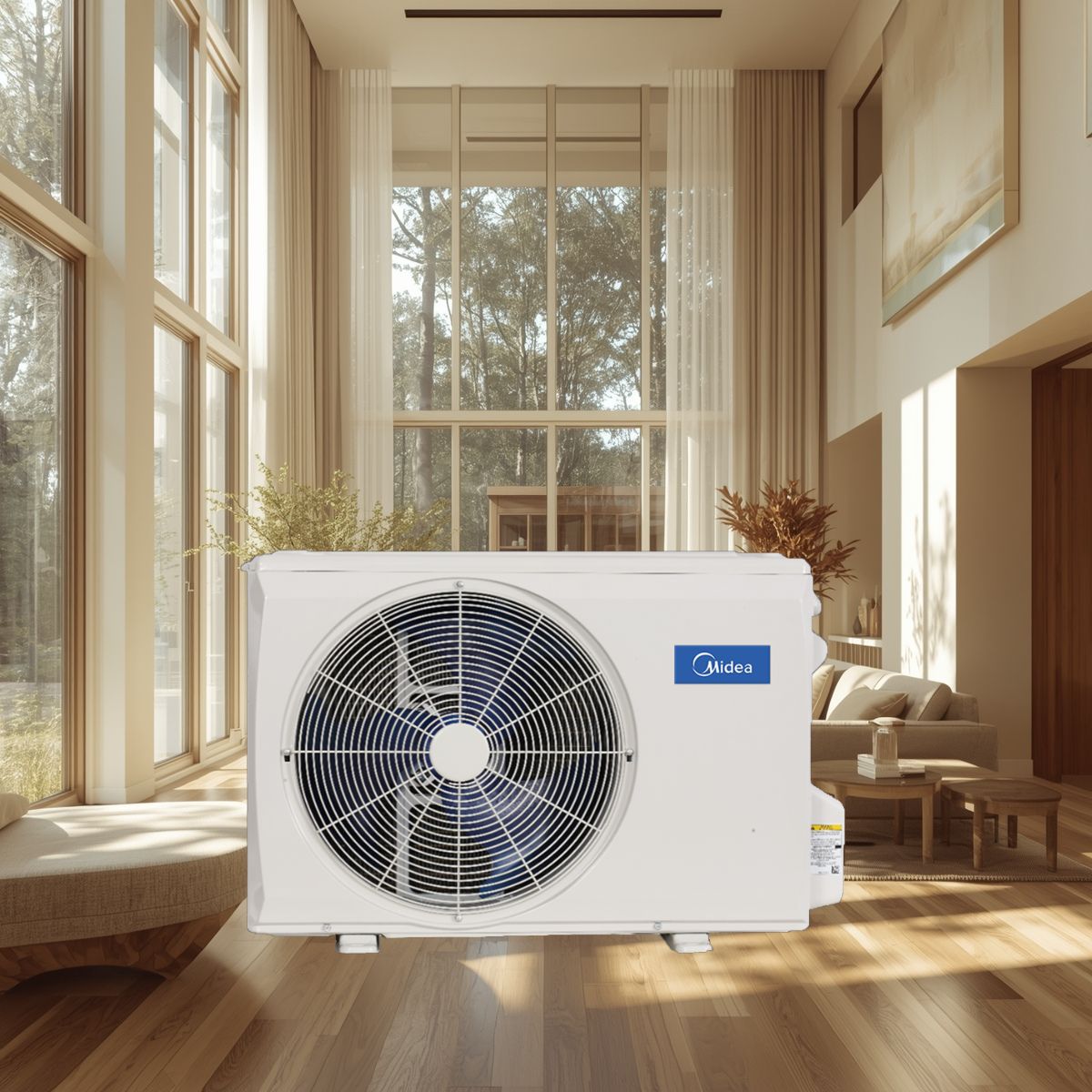
Impact On Occupant Comfort And Lifestyle
VRF Not Only Optimizes Energy But Also Enhances Occupant Comfort. Independent Temperature Control For Each Unit, Reduced Noise, And Smooth Airflow Provide A Calm And Luxurious Experience. In Modern Buildings, These Systems Improve Quality Of Life And User Satisfaction.
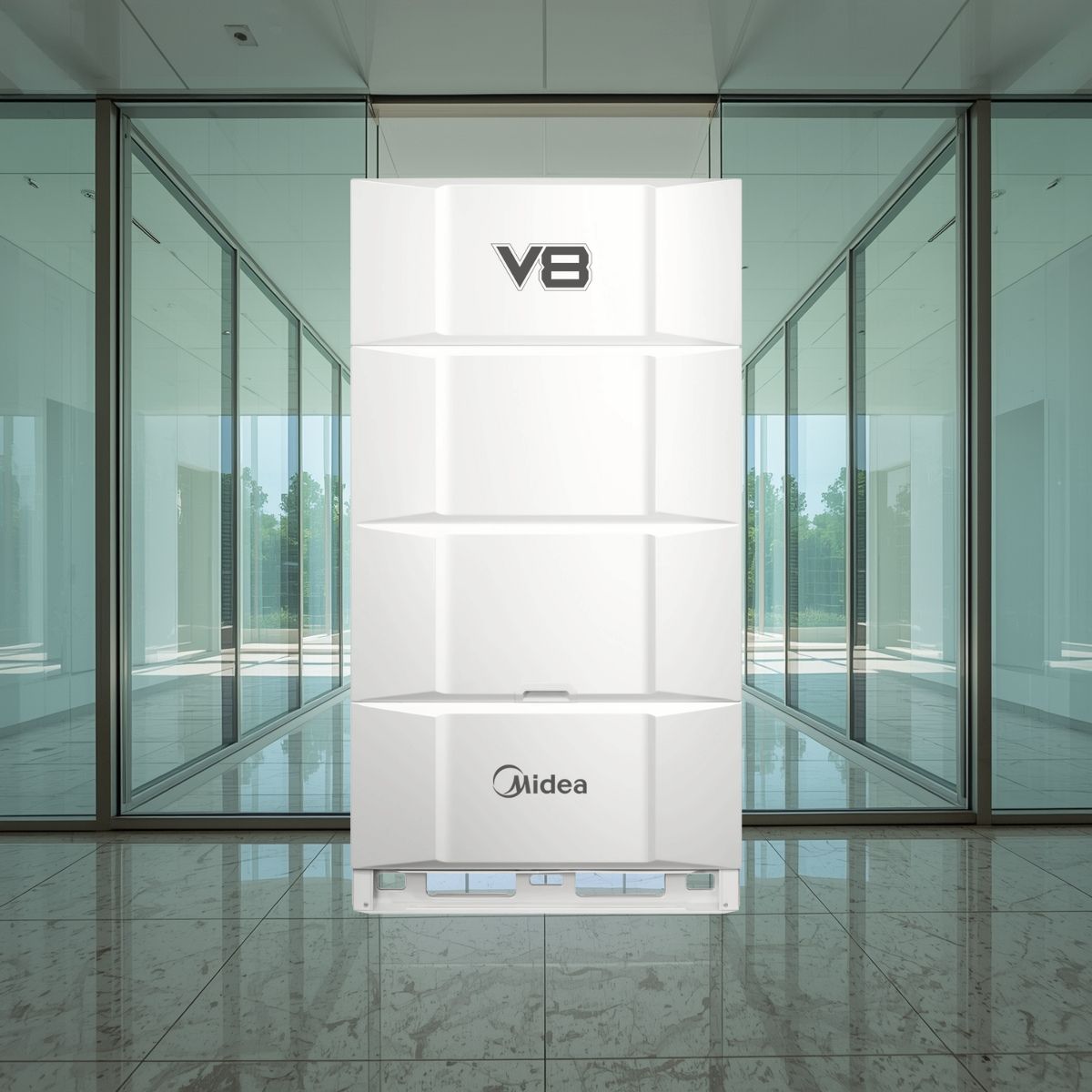
Economic Comparison And System Longevity
Although The Initial Installation Cost Of VRF Systems Is Higher, Their Long Lifespan And Energy Savings Make Them Cost-Effective In The Long Run. With Proper Maintenance, These Systems Can Operate Efficiently For Over 15 Years, Significantly Reducing Building Operational Costs.

Comments ( 0)